
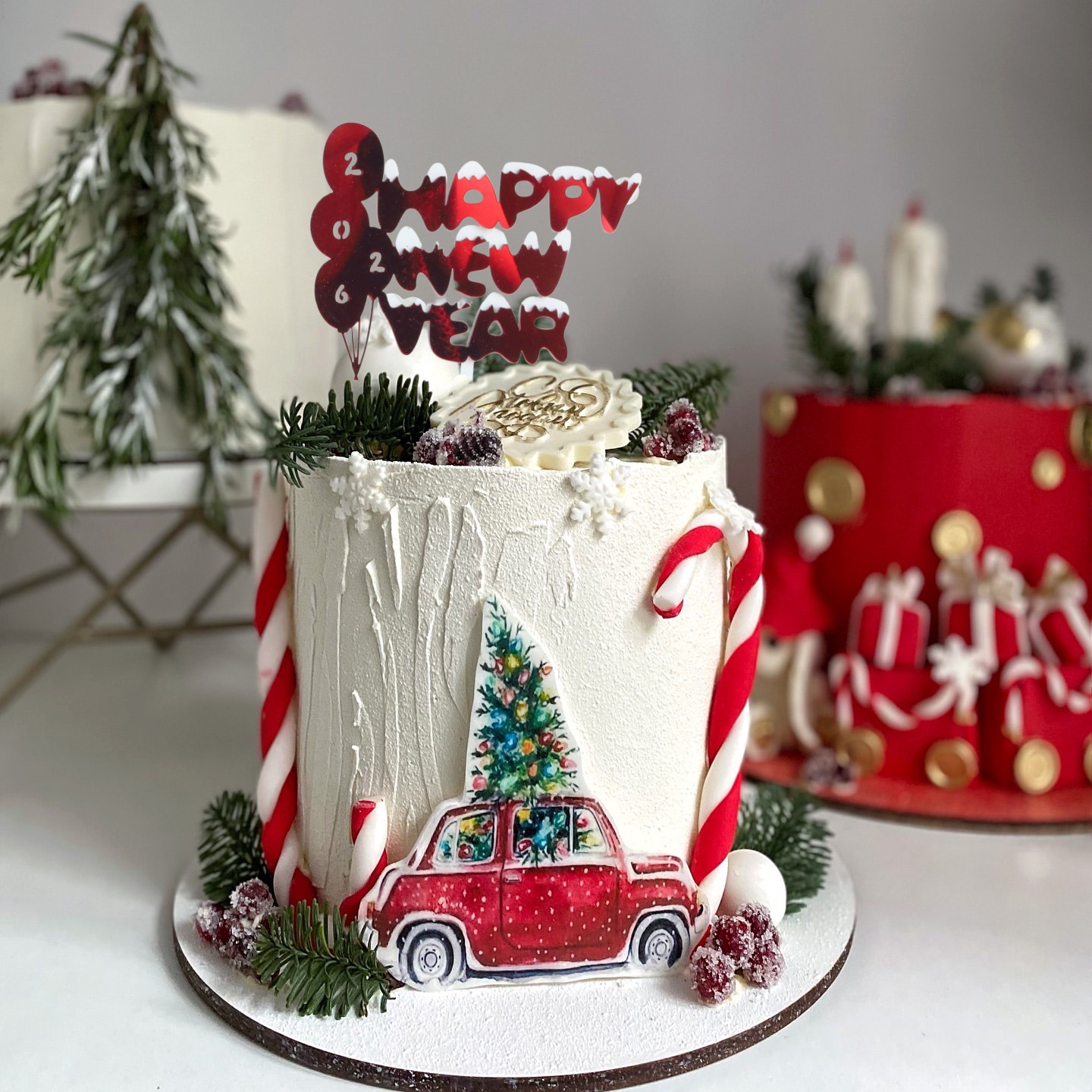
Part 1: Ingredients: The "Soul Foundation" of a Cake - Not a Single Detail Can Be Off
The baking world has a saying: "Cake is a combination of science and art," and the core of that science lies in the ingredients. At first, I thought "close enough was good enough," which resulted in cakes that were either dense like steamed buns or had unbalanced sweetness and a coarse texture. I later learned that every ingredient has an irreplaceable role:
-
Cake Flour is Key to Fluffiness: With a protein content between 8%-10%, too much protein makes the batter too tough and hinders rising.
-
Granulated Sugar is Not Interchangeable: It provides sweetness and, crucially, helps stabilize the egg foam during whipping. Using coarse sugar may lead to incomplete dissolving and a grainy texture inside the cake.
-
Egg Freshness and Temperature are Critical: Fresh, room-temperature eggs whip into a finer, more stable foam much more easily than cold eggs.
-
Fat Choice Determines Flavor: Butter delivers rich aroma (but watch its softening temperature), while neutral oils like corn or sunflower oil offer a lighter taste and can make the cake more moist.
Key Reminder: Ingredient quantities must be precise! Beginners must use a digital kitchen scale. Being off by just 5g of flour or 10g of sugar can significantly compromise the final product.
Part 2: Technique: A Balance of "Gentleness" and "Decisiveness" to Prevent Batter "Sabotage"
Mixing is the most skill-testing and error-prone stage in cake making. Overmixing leads to a tight crumb, while undermixing causes lumps and layers.
【Key Technique 1: Whipping Requires "Decisiveness"】
-
Whip Whole Eggs or Whites at High Speed: To incorporate maximum air. Whole eggs are whipped until they triple or quadruple in volume and the ribbons hold their shape; egg whites require a perfectly clean, grease-free, yolk-free bowl.
-
Know Your Peaks: "Soft" vs. "Stiff":
-
Chiffon Cakes need stiff peaks (peaks stand straight up when the whisk is lifted).
-
Sponge Cakes often use soft peaks (peaks curl over at the tips).
-
【Key Technique 2: Folding Requires "Gentleness"】
-
When combining flour with whipped eggs, you must use a folding or cutting motion. Gently lift from the bottom and fold over, like turning a stir-fry. Never stir in circles, as this develops gluten and can cause collapse and toughness.
-
When adding fat/oil, first mix a small portion of the batter with the fat until homogeneous, then fold this back into the main batter. This prevents the fat from deflating the foam or causing separation.
Part 3: Temperature: The "Invisible Conductor" of Baking - Precision is Everything
Temperature is the invisible key to cake success, involving the oven, ingredient temps, and timing—all interconnected.
-
🔥 Always Preheat Your Oven! This usually takes 10-15 minutes to reach the target temperature (commonly 150°C-180°C / 300°F-350°F). Skipping this leads to poor rise and a dense texture.
-
🌡️ Know Your Oven's "Personality": Ovens have hot spots and variations. Using an oven thermometer is highly recommended for calibration. If it runs hot, you may need to lower the temp or reduce baking time.
-
🥛 Bring Ingredients to Room Temp: Milk, butter, etc., should be taken out of the fridge ahead of time, just like eggs. Adding cold ingredients can deflate your carefully whipped foam.
-
✅ How to Tell When Your Cake is Done:
-
Insert a toothpick into the center—it should come out clean or with a few moist crumbs, not wet batter.
-
The top should spring back lightly when gently pressed.
-
After removing from the oven, immediately invert a chiffon cake to cool completely in its pan to prevent collapse.
-
Part 4: Mindset: Baking is a "Sweet Journey" - Embrace Imperfection to Improve
At first, I chased "perfect success on the first try" and felt disheartened by every failure. Gradually, I realized every "baking fail" is a valuable learning opportunity:
-
Did the batter deflate? Re-examine your mixing technique.
-
Did the cake collapse? Check your oven temperature.
-
Is the texture coarse? Reconsider your ingredient measurements.
There is no single "standard answer" in baking—too many variables exist. Now, I find more joy in the creative process itself—watching the batter slowly rise and fill the kitchen with aroma. This sense of creation is more satisfying than perfect results. And of course, the smiles on family and friends' faces when they enjoy the cake are the sweetest reward of all.